🏛️ The Ancient Roots: The Sacred Text
When we talk about honoring our parents and elders, it’s easy to settle for abstract, vague terms like “obedience” or “love.” But in traditional cultures that practice deep filial piety, respect is never treated as a passive emotion—it is a multi-dimensional, highly actionable discipline that encompasses every aspect of the human experience.
In the Ephesians (6:2-3) of the Abrahamic tradition, the structural necessity of this virtue is made explicitly clear:
“Honor your father and mother—which is the first commandment with a promise—so that it may go well with you and that you may enjoy a long life on the earth.”
Notice that the text demands honor, a word far vaster than simple obedience. To truly unpack this sacred command, we must look at respect through twenty distinct lenses, split across three core lifecycles of care: Physical, Emotional, and Spiritual.
📜 The Living Legacy: The 20 Pillars of Action
I. Physical Care (The Foundation of Comfort)
Physical care is the baseline of honoring our elders. As their bodies age, we are called to step in as their practical shields.
- Care Respect: Actively ensuring your parents are physically comfortable in every single way, addressing their day-to-day living conditions and health.
- Victual Respect: Taking your parents’ specific dietary preferences into account. Cooking or buying their favorite meals and ensuring they are deeply well-nourished.
- Financial Respect: Providing for their material needs so they never have to experience the undignified stress of financial survival in their old age.
II. Emotional & Psychological Care (Sustaining the Spirit)
While physical care protects the body, emotional care sustains the soul. These practices make elders feel valued, heard, and deeply integrated into our daily lives.
- Appreciative Respect: Cultivating a genuinely grateful heart and frequently expressing your appreciation, letting them know they are missed when apart.
- Gift Respect: Offering thoughtful, unexpected gifts or favors simply to show that they are constantly on your mind.
- Presentational Respect: Maintaining polite, appropriate, and thoughtful decorum when in their presence.
- Linguistic Respect: Using honorific, patient, and respectful language when speaking to them, honoring the generational boundary.
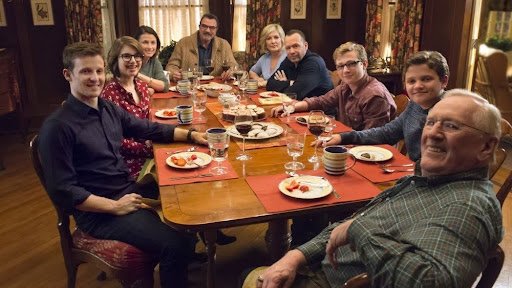
- Spatial Respect: Honoring them in physical space, such as always reserving the seat of honor for elders at the dining table.
- Celebrative Respect: Organizing and celebrating their birthdays, anniversaries, and milestones to ensure they feel uniquely special.
- Public Respect: Demonstrating voluntary and public acts of service for your elders, showing the community the reverence you hold for them.
- Acquiescent Respect: Listening to elders patiently and respectfully, demonstrating a willingness to hear them out without immediately talking back.
- Consultative Respect: Actively seeking their wisdom by consulting them on personal and family matters, proving that you still value their life experience.
- Salutatory Respect: Greeting them properly with bows, salutes, or warm, intentional embraces whenever you enter their space.
- Precedential Respect: Allowing elders to always take priority—whether serving them food first, or letting them walk through a doorway first.
- Time Respect: Giving them your undivided attention. Putting down your digital screens and genuinely spending uninterrupted time with them.
- Sibling Respect: Maintaining peace and harmony with your brothers and sisters, ensuring your parents do not suffer the distress of watching their children fight.
III. Spiritual Care (Transcending the Material World)
Spiritual care deals with lineage, memory, and the continuation of the family line, ensuring an elder’s essence is honored beyond their earthly life.
- Funeral Respect: Mourning and burying elders in a deeply respectful, dignified way, honoring their final wishes and cultural traditions.
- Ancestor Respect: Commemorating ancestors after they have passed, visiting their resting places, and actively preserving their memories.
- Legacy Respect: Upholding their moral teachings and carrying their good name forward into future generations.
- Spiritual Respect: Supporting their spiritual life and beliefs while they are alive, and continually praying for their ultimate peace and well-being.
🪜 The Map of Consciousness: Moving Up the 20 Forms
Every single one of these 20 forms of respect corresponds directly to your ascent up the Map of Consciousness:
- The Pitfall (Level -2: Resentment): We violate Linguistic and Acquiescent Respect by snapping back, using dismissive tones, or rolling our eyes during conversations.
- The Baseline (Level 3: Personal Stability): We achieve Financial and Care Respect. We ensure our parents are not burdened by our lives and that their basic survival needs are met.
- The Ascent (Level 4: Active Reciprocity): We intentionally unlock Time, Consultative, and Victual Respect. We don’t just manage their safety; we actively curate their joy, listen to their stories, and honor their presence in our modern world.
🎴 From Wisdom to Action: Today’s Flashcard Practice
To bring these 20 forms of respect out of the text and into your household today, pull this card from The Reverence Deck:
🎴 CARD #11: THE SEAT OF HONOR
The Micro-Moment: The next time your family gathers for a meal, a celebration, or a casual conversation in the living room.
The Practice: Before anyone sits down, intentionally guide your parent or elder to the most comfortable, central, and prominent seat in the room (Spatial Respect).
Ensure they are served their food and drink before anyone else at the table takes a bite (Precedential Respect). Perform this act smoothly and voluntarily, signaling to everyone in the room that the elder is the true anchor of the home.
🛍️ Bring the Practice Home
Ready to master the daily details of honoring your roots? Explore The Reverence Action Deck or The Proactive Reciprocity Deck in our online shop today for 15 concrete ways to turn these 20 forms of respect into an effortless lifestyle.